
Relative Energy Deficiency in Sport (REDs): A Guide for Athletes
As an athlete, understanding your body and how it functions is crucial for optimizing performance and maintaining overall health. One significant issue that many athletes face is Relative Energy Deficiency in Sport (REDs). It is a syndrome with wide-ranging health consequences that can go unrecognized until significant damage has been done and is important for athletes to be aware of.
What is REDs?
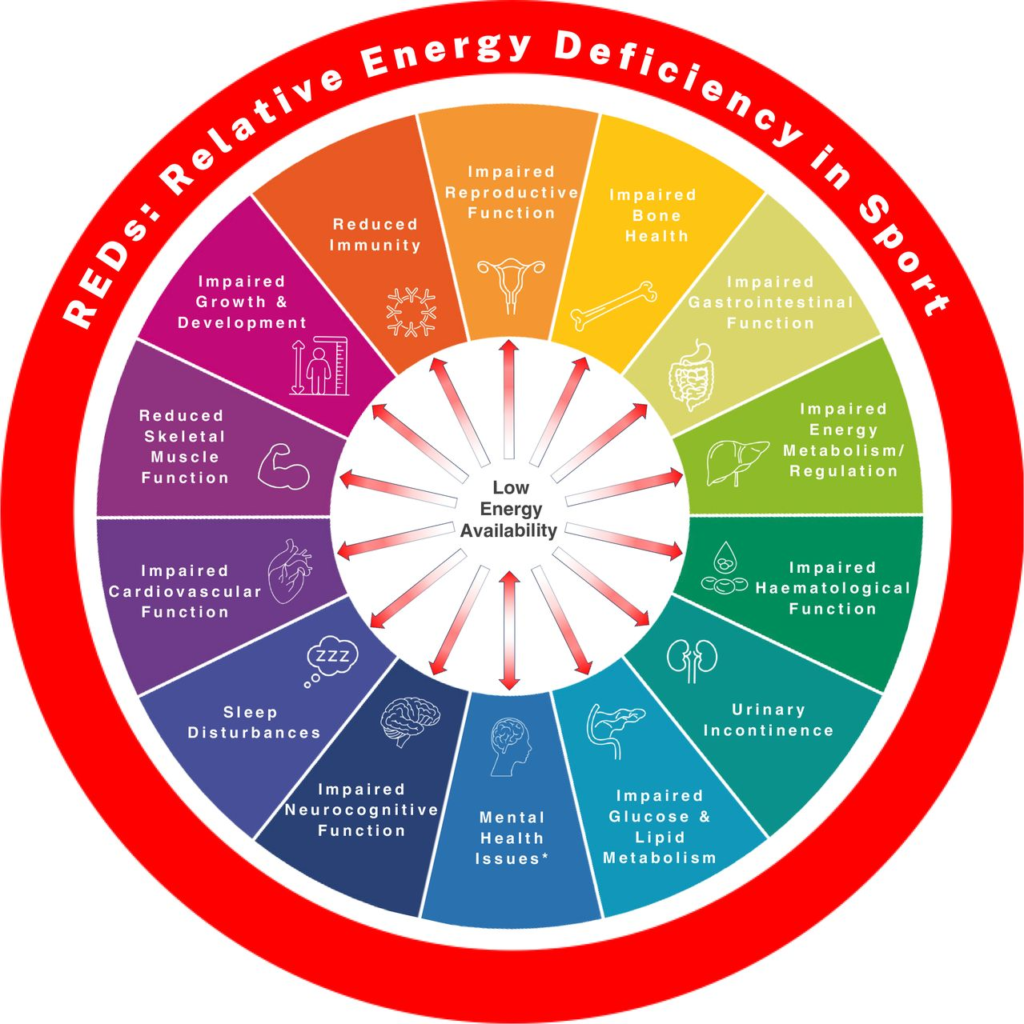
REDs encompasses a spectrum of physiological, psychological, and performance impairments resulting from insufficient energy intake. This energy imbalance occurs when the energy consumed is insufficient relative to what is required for normal bodily functions and training demands. This leads to a state of low energy availability (LEA) and over time it compromises normal biological processes in order to sustain more critical functions.
Who is at Risk?
REDs can affect any athlete, across all sports and genders. However, those in sports where weight ratios are critical such as runners, cyclists, and wrestlers are at a higher risk. Importantly, REDs is not limited to female athletes; male athletes can also experience the negative impacts of LEA, though these cases tend to be underdiagnosed and underreported.
Physiological Implications of REDs
Recognizing the signs of REDs is a vital step in addressing it. Common physiological effects include:
- Gastrointestinal Distress: Many athletes report symptoms such as early satiety (feeling full quickly) and frequent bloating.
- Cardiovascular Changes: Decreased resting heart rate and blood pressure can occur, impairing overall performance.
- Nutritional Deficiencies: LEA can lead to micronutrient deficiencies, particularly in iron and vitamin D, which are critical for energy metabolism and bone health.
- Hormonal Imbalances: Female athletes may experience menstrual irregularities (often Hypothalamic Amenorrhea (HA)), while male athletes might see low testosterone levels.
Long-Term Effects of Chronic Under-Fueling
The effects of prolonged energy deficiency extend far beyond just effects to short-term performance.The long-term consequences of chronic under-fueling can be severe, particularly for young athletes. These include:
Bone Health
Chronic LEA during critical bone-building years can result in reduced bone mineral density, increasing the risk of stress fractures and early-onset osteoporosis.
Growth and Development
Young athletes may experience delayed puberty or fall off their growth curves, with potential long-term implications for physical development.
Performance Decline
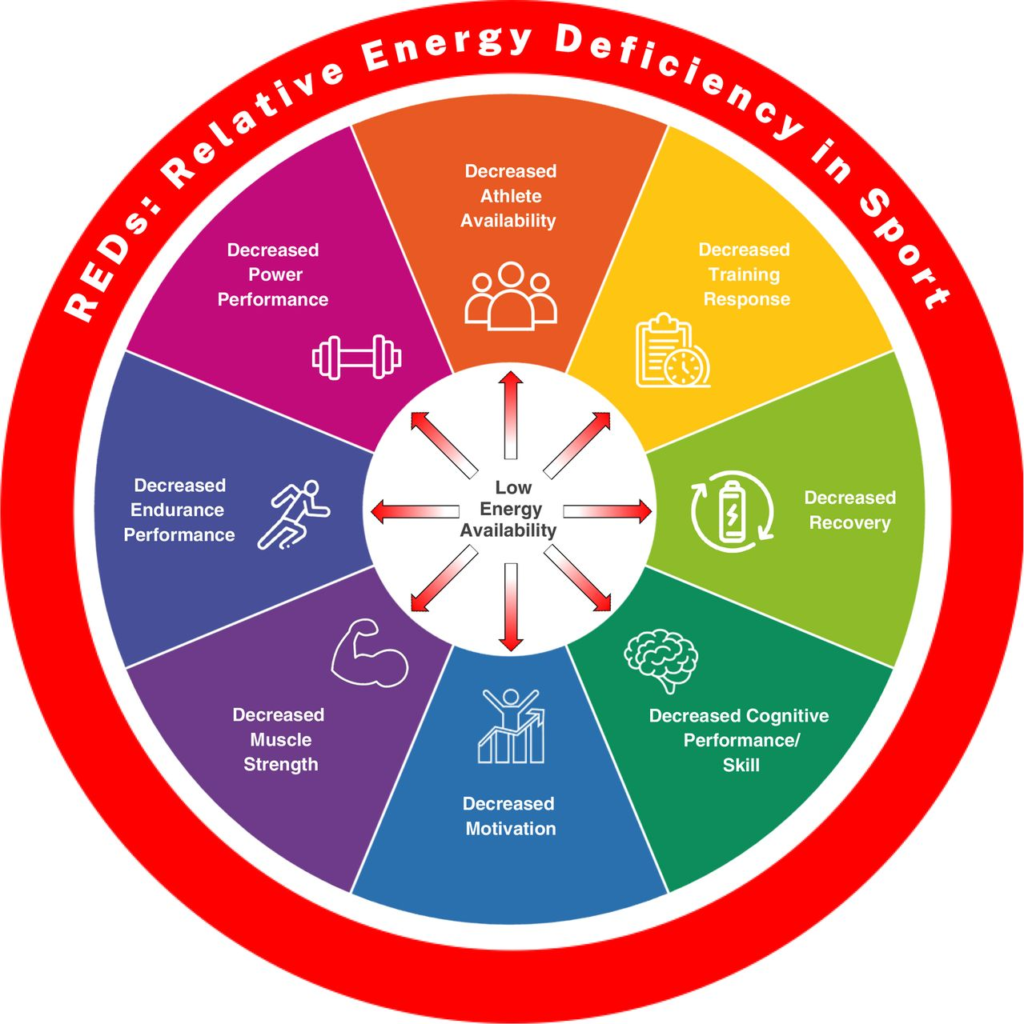
While restrictive eating may appear to result in short-term performance gains in some cases, research consistently shows that sustained energy insufficiency leads to decline in both health and athletic output over time.
Finding Balance
Weight is just one of many variables that influence athletic performance. In most cases, it is not the most important one. A more effective and sustainable approach focuses on:
- Building a strong nutritional foundation. We recommend using the Performance Plate Method to build a strong fueling foundation. Many athletes look to fancy supplements or calorie counting when they first work on optimizing their nutrition. However, this often leads to wasted money and/or continued underfueling.
- Increasing carbohydrate intake. Emphasize adequate carbohydrate intake, which is the primary fuel source for most athletic activity. Most athletes require more carbohydrates than they initially expect. Focus not only of carbohydrates pre- and post-training, but also consume a consistent amount throughout the day.
- Prioritizing restorative sleep to support recovery and performance.
- Maintaining consistent hydration throughout training and competition
Conclusion
As an athlete, you must prioritize your health and well-being alongside your performance goals. Understanding REDs and its implications can help you make informed decisions about your nutrition and training, ultimately leading to a healthier and more successful athletic experience.
If you suspect you or someone you know may be experiencing REDs, consulting a sports medicine physician and registered sports dietitian is strongly encouraged. Performance should never come at the cost of your health.
Period Recovery Program
Learn more about performance nutrition and how you can get your period back while continuing to train!